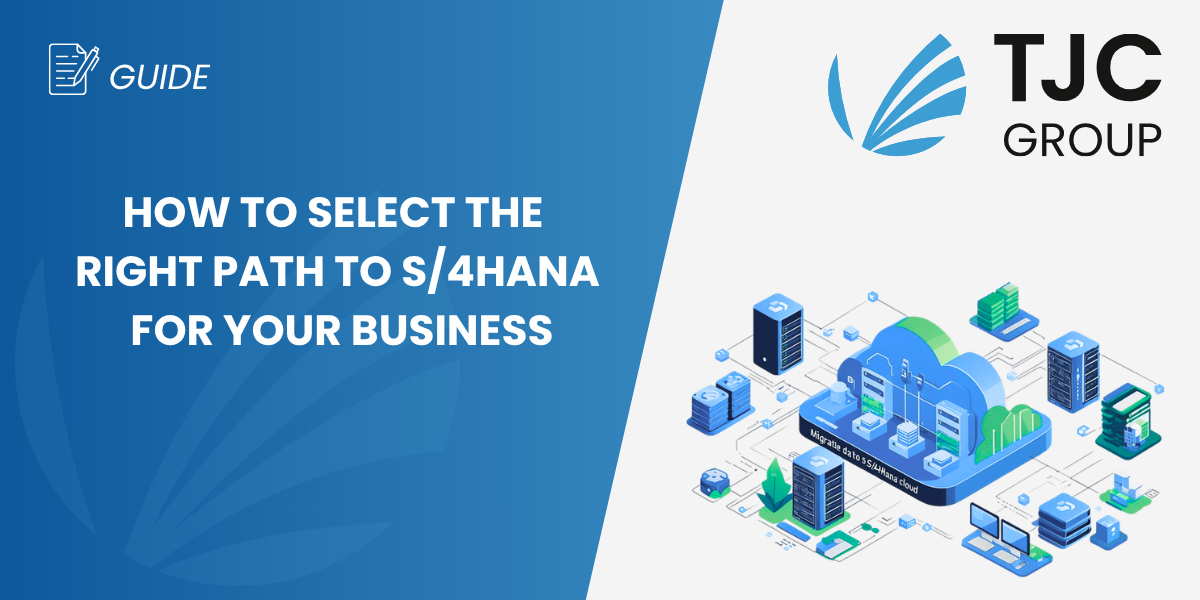




Make informed decisions about your S/4HANA transformation journey. Choosing the optimal S/4HANA migration strategy is one of the most critical decisions your organisation will make. With multiple pathways available, a data-driven approach can help you assess which route aligns best with your business objectives, current landscape, and transformation goals.
Why does your migration path matter?
Migrating your existing ERP system to S/4HANA is more than a technical upgrade, it’s a transformation that has the potential to reshape how your organisation operates. However, statistics show that 70% of ERP change projects fail to meet their business goals. The primary reason? Selecting the wrong migration approach from the start.
The challenge lies not in choosing between good and bad options, but in identifying the path that best serves your specific business requirements, technical landscape, and transformation objectives.
Want to learn more? Fill the form given below and download our key takeaway sheet to get a quick glance of what was discussed in the webinar.
The importance of early data strategy
Data considerations should drive your S/4HANA migration approach selection. Early data discovery reveals critical insights about system complexity, transformation opportunities, and potential risks.
Analyse your landscape Through four lenses
- Functional lens: Which business processes are moving to S/4HANA versus other solutions?
- Historical lens: What level of integrated transactional history do you need to maintain?
- Organisational lens: Which company codes, plants, or organisational units remain active and relevant?
- Custom data lens: What customisations add value versus complexity to your future system?
Legacy system considerations
Planning for legacy system management should begin with your S/4HANA project, not after completion. Organisations that address legacy system decommissioning as part of their transformation strategy achieve cleaner outcomes and avoid project fatigue.
TJC Group’s ELSA solution enables organisations to preserve access to historical data whilst safely decommissioning legacy systems, supporting compliance requirements whilst reducing ongoing maintenance costs.